📝 Article: Step-by-Step Garment Production Process in Bangladesh
Bangladesh is renowned as a global leader in apparel manufacturing, known for its efficiency, quality, and competitive pricing. Here’s a detailed look at the garment production process in Bangladesh, ensuring that buyers understand every step from design to delivery.
1. Design and Development
The process begins with close collaboration between the buyer and the manufacturer. Designers share tech packs, sketches, and fabric requirements. This stage includes fabric sourcing, pattern making, and sample creation.
2. Material Sourcing
High-quality fabrics are sourced from trusted suppliers. Bangladesh boasts a robust textile industry, providing a wide range of materials, from cotton and denim to synthetic blends. Sustainability is increasingly prioritized, with eco-friendly fabrics becoming more common.
3. Sampling
Once the materials are secured, initial samples are created. These samples are essential for quality checks, fit testing, and buyer approval. The sample stage allows for adjustments before moving to bulk production.
4. Production Planning
After sample approval, production planning is finalized. This includes scheduling, capacity planning, and ensuring all resources are in place. Factories in Bangladesh often operate with high efficiency to meet tight deadlines.
5. Cutting and Sewing
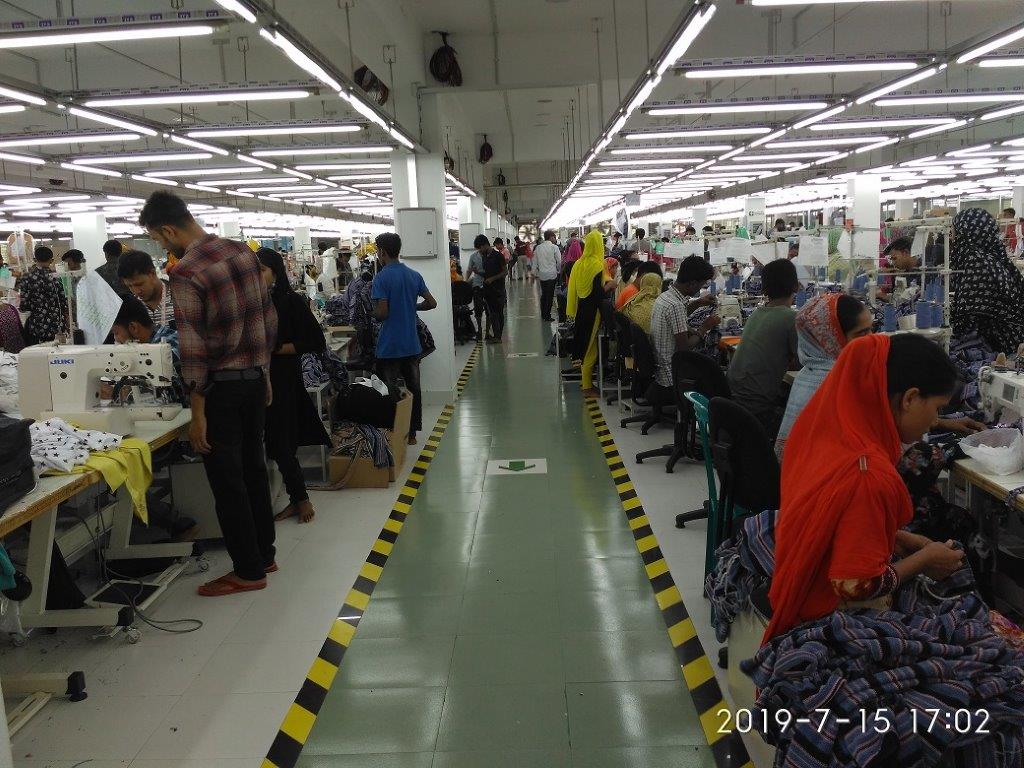
The bulk production begins with fabric cutting, followed by sewing. Skilled workers and advanced machinery ensure precision in every stitch. Quality control is integrated at this stage to maintain consistency.
6. Finishing
Once the garments are sewn, they undergo finishing processes such as washing, dyeing, and ironing. This stage ensures the final product meets the desired quality standards and is ready for the market.
7. Quality Control
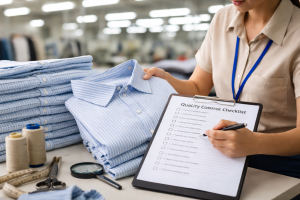
Rigorous quality control checks are performed throughout the production process. This includes inline inspections, final inspections, and testing for durability, color fastness, and fit.
8. Packaging and Shipping
Finally, the garments are carefully packaged and prepared for shipment. Bangladesh’s strategic location and robust logistics network facilitate timely and cost-effective delivery to global markets.
9. Sustainability and Compliance
Bangladesh’s garment industry is increasingly embracing sustainable practices and compliance with international standards. This ensures that products are not only high-quality but also ethically produced.
10. Buyer Collaboration
Throughout the process, clear communication and collaboration with buyers are key. This ensures that every requirement is met and that the final product aligns with the buyer’s vision and standards.
By understanding each step of the garment production process in Bangladesh, buyers can confidently source high-quality, ethically produced apparel, enhancing their brand’s reputation and customer satisfaction.